Interior Styling Explained: Layering Rugs, Textiles and Lighting Like a Pro
A room rarely feels finished because of one expensive purchase. It feels finished because of layers: a textured rug laid over a plain one, a throw folded across the arm of a chair, a lamp glowing in the corner while the ceiling light stays off. Layering is the difference between a room that looks furnished and one that looks considered. The encouraging part is that it is mostly technique rather than budget, and you can build it up over a weekend.
Start with the floor
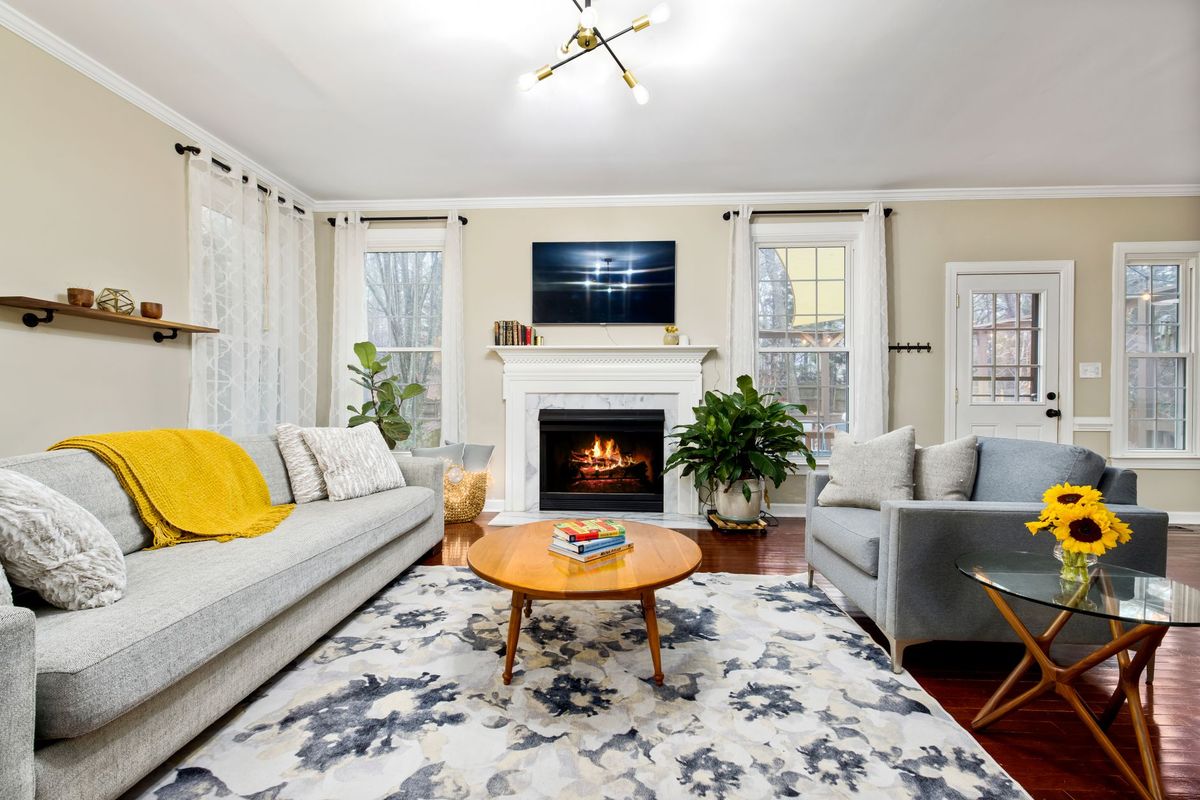
Rugs are the easiest place to begin, because they define zones without adding a single wall. A large base rug in a quiet material — jute, sisal, a flatweave wool — anchors the seating area. Then place a smaller patterned or vintage rug on top, roughly two-thirds of the base width, leaving a visible margin of the base showing on every side. That border is what makes the pairing look deliberate rather than accidental.
Position matters as much as size. Sit the front legs of your sofa on the base rug, then shift the top layer towards the coffee table instead of centring it exactly. A slight offset reads as relaxed; a perfect square within a square can look rigid and a little showroom-ish.
Small details that keep layered rugs tidy
- Use a proper anti-slip pad under the base rug, and a thin pad under the top layer if it creeps.
- Keep the top rug low-profile if it sits near a doorway, and check the total height if you have a low door or castor chairs.
- Keep the top layer out of walkways. Rugs that ripple or catch underfoot are a trip hazard, especially on stairs and in hallways.
- If two patterns feel like too much, make the base a plain texture and let the smaller rug carry all the pattern.
Let textiles do the quiet work
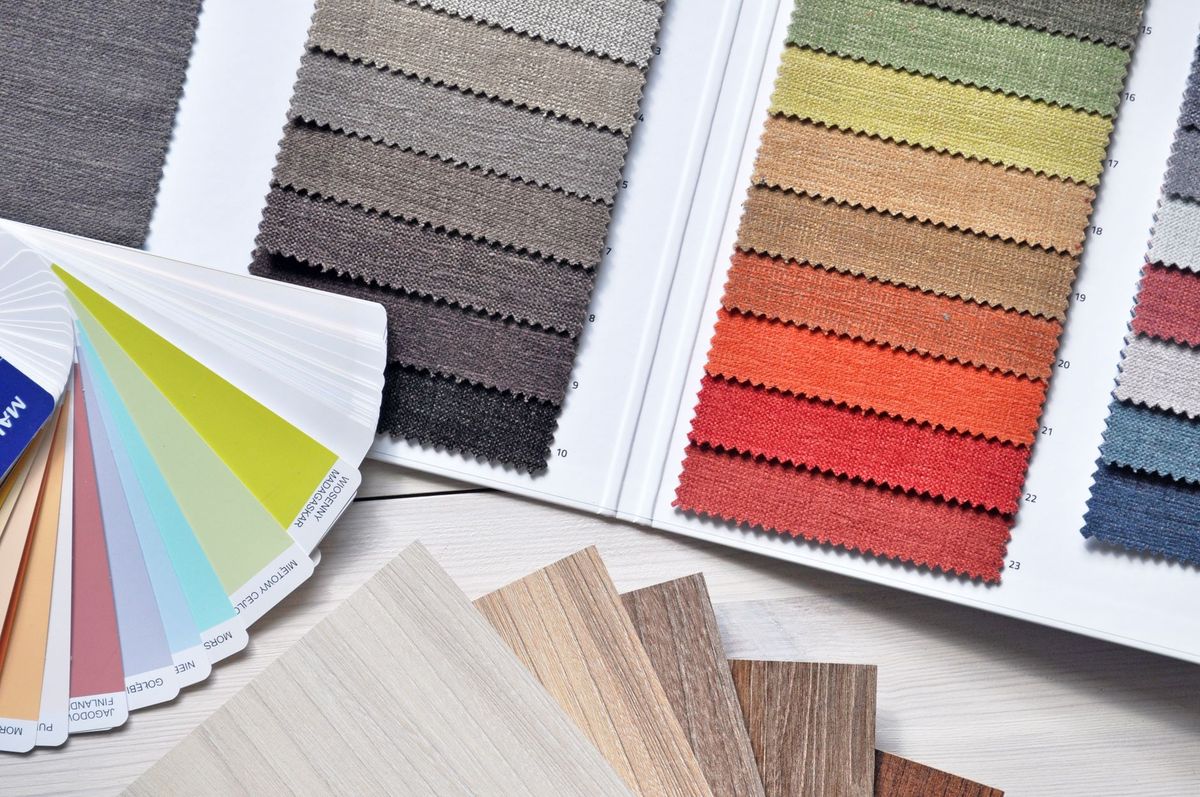
Textiles soften hard architecture: the echo of bare floorboards, the flatness of a painted wall, the cold line of a windowsill. The trick is to vary weight and texture, not simply to add more. A chunky wool throw over a linen sofa cushion, a velvet cushion beside a cotton one, a coarse woven basket next to a smooth ceramic lamp — these small contrasts are what the eye reads as richness.
For cushions, work in odd numbers and mixed sizes. Two large squares at the back of a sofa, one smaller rectangle in front, one patterned, one plain, one heavily textured. Resist filling every seat; a sofa with three well-chosen cushions looks more expensive than one buried under eight.
Throws earn their place when they are draped rather than spread. Fold one lengthways and lay it over the back of a chair or across a corner of the sofa, letting the ends fall. On a bed, layer a textured blanket over the duvet and fold the top sheet back over it for a hotel-style finish. Curtains and blinds can be layered too: a sheer Roman blind under floor-length curtains gives you privacy by day and warmth at night, and hanging the curtains wider and higher than the window makes the whole wall feel taller.
Keep the palette tight while you do this. Two neutrals and one accent colour is plenty for most rooms, and repeating the accent at three different scales — a cushion, a lampshade, a small piece of art — ties everything together without effort.
Lighting in three layers
One ceiling light in the middle of the room does a room no favours. It flattens texture, casts shadows under eyes and makes everything look slightly institutional. Build light in three layers instead:
- Ambient: the general wash — a dimmable ceiling fitting, a pair of wall lights, or a floor lamp bounced off a wall.
- Task: focused light where you actually do something — a reading lamp beside an armchair, a pendant over a kitchen island or dining table.
- Accent: small pools of light that add depth — a table lamp on a sideboard, an uplighter behind a plant, a picture light above artwork.
Warm-white bulbs suit living spaces, and dimmers make the biggest difference for the smallest outlay. Place lamps at different heights so the eye travels: a low table lamp, a mid-height floor lamp, a pendant above. Switch off the ceiling light in the evening and see how much softer the room becomes.
Where layering goes wrong
Clutter is rarely caused by having too many things; it is caused by too many things competing at the same level. Thick pile rug over thick pile rug creates a lumpy, unstable floor. Three patterns of a similar scale fight each other. Six cushions all the same size form a neat row with no depth. Everything at knee height across a room makes it feel flattened and busy.
Watch the vertical plane as well. If your layers all sit below waist height, add something taller: a floor lamp, a slim shelf, a large framed print leaning against the wall. Height gives layers somewhere to go. And leave gaps — empty floor space, a bare stretch of wall, a clear windowsill. Space is a layer too, and it is the one that makes the others look intentional.
A practical weekend plan
- Clear the room of loose textiles, lamps and small rugs, then look at what is fixed: floor, walls, window, light fittings.
- Sort the floor first. Base rug down, then the smaller rug, then live with the placement for an hour before you commit.
- Add one large textile — a throw or a pair of curtains — before you touch cushions. Big shapes first, small details second.
- Move the light. Take the lamps you already own and try them in three different corners before buying anything new.
- Edit. Remove one item from each surface, then walk past the doorway ten times. If your eye snags on something, that is the thing to move.
Layer, then step back
Good layering is not about filling a room; it is about giving it depth, warmth and somewhere for the eye to rest. Build from the floor up, vary texture rather than colour count, and light the room in pools instead of flooding it. Then stop, and live with it for a week before changing anything else — a room that feels slightly underdone on Saturday often feels exactly right by the following weekend.
Photo: Curtis Adams / Pexels

You Might Also Like
Carpet, laminate, vinyl and engineered wood compared on durability, cost and maintenance — with practical advice on which flooring works best in each room of a busy family home.
A practical beginner's guide to transforming second-hand furniture: how to choose a solid piece, prep it properly, paint in thin coats, and seal it for a durable finish.