Home Decor Checklist for a Rental Flat: What You Can Change and What You Can't
A rental flat rarely starts out looking like somewhere you'd choose. Off-white walls, a carpet the colour of wet sand, one bare bulb doing the work of four lamps. The good news is that most of what makes a place feel like yours can be done without losing a penny of your deposit. The trick is knowing which changes are genuinely reversible, which need a quick email to your landlord, and which look harmless but cause damage you'll end up paying for.
Read the tenancy agreement before you buy anything
Your tenancy agreement decides almost everything below. Before you order a rug or a tin of paint, find the section on alterations and decorations — usually a clause or two, often buried near the end. Some agreements forbid picture hooks outright. Others allow them provided you fill and repaint the holes when you leave. A few say nothing at all, which does not mean yes.
If something isn't clear, ask in writing. An email is enough: describe what you want to do, how you'll do it, and how you'll put it right. Keep the reply. A landlord who agrees to a shelf in writing is very different from one who murmurs "sure" on the doorstep in March.
One distinction matters more than any other: fair wear and tear is not the same as damage. Small scuffs, faded curtains and worn carpet in a busy room are generally expected. Holes, stains, burns and chipped tiles are not. If you're unsure how your deposit is protected or what could be deducted, check the guidance from your deposit scheme, and take proper advice for anything you're genuinely worried about.
Changes you can make without asking
Anything freestanding leaves when you do, and that covers more than people realise. Treat this as your first stop:
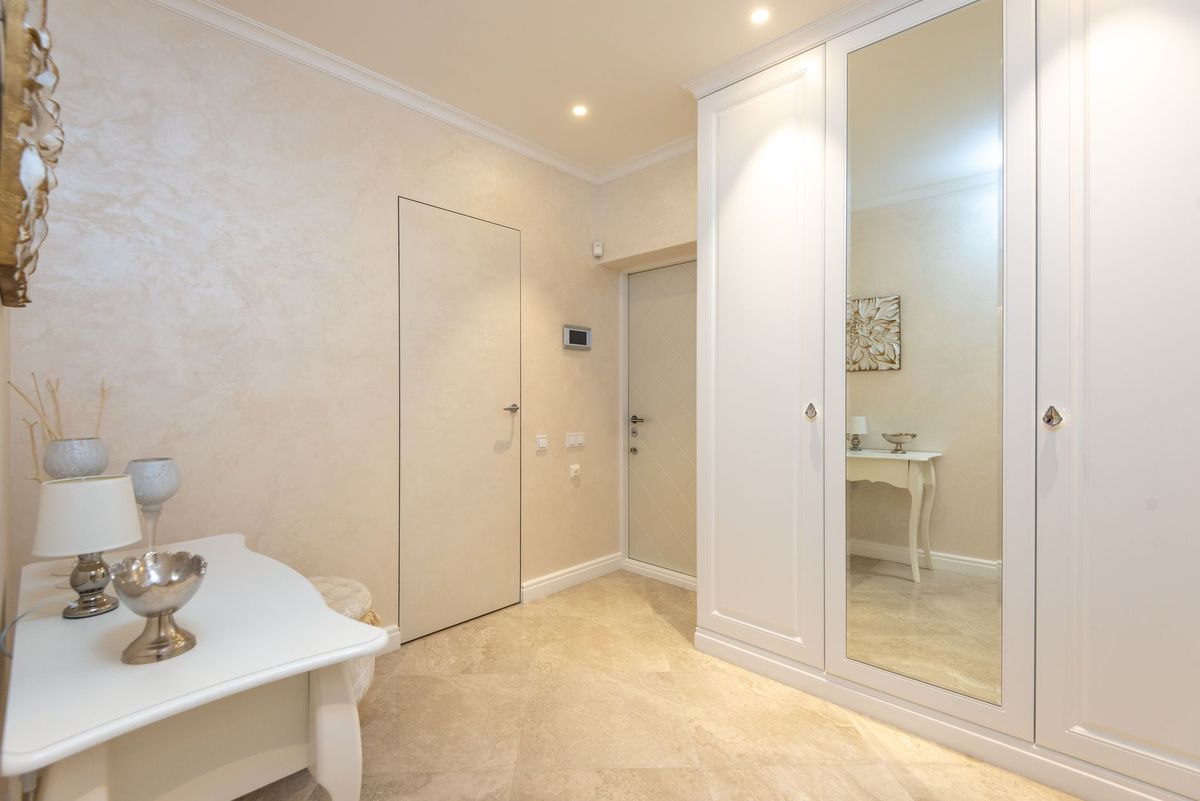
- Freestanding furniture — a bookcase across a dull corner, a slim console behind the sofa, a wardrobe that hides a bad wall.
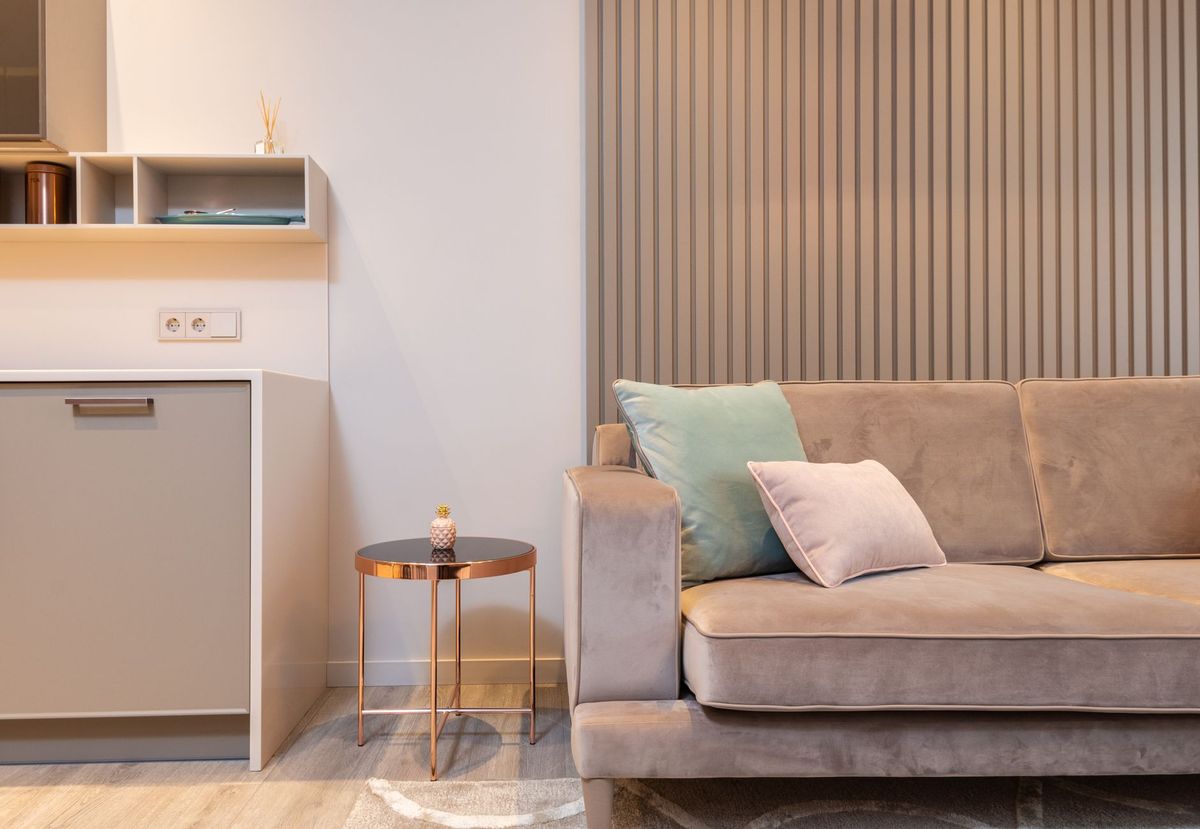
- Rugs. A large rug over tired carpet changes a room faster than paint. Add an anti-slip underlay.
- Lamps and bulbs. Two or three plug-in lamps with warm white bulbs flatter a room far more than a single ceiling light.
- Cushions, throws, bedding. Colour and texture you can take with you.
- Plants. Real if you have the light, convincing fakes if you don't.
- Baskets and trays. Cheap, useful, and they make clutter look deliberate.
- Temporary fittings — a removable splashback, a plug-in wall light, a tension rod in a window recess.
Nothing here needs a drill, a permission slip or a professional, and all of it can be boxed up at the end.
Hanging art and mirrors without wrecking the walls
Walls are where renters get caught. Three approaches, in order of safety.
Adhesive strips and hooks
Modern removable strips hold a surprising amount, but they fail on textured, freshly painted, damp or wallpapered surfaces. Clean the wall, press firmly for the full recommended time, and don't hang anything heavier than the pack states. On emulsion that's a few weeks old they usually come away cleanly; on paint that's days old they can take the top coat with them.
Picture ledges and rails
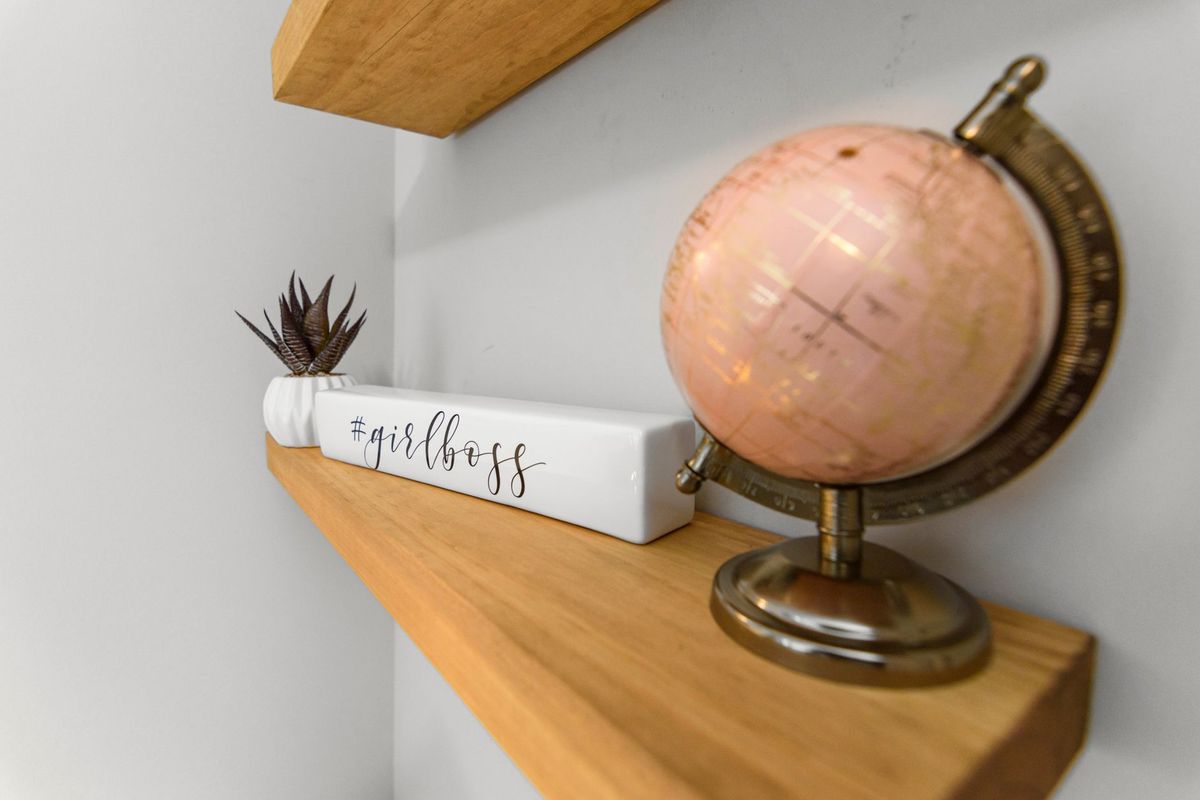
A shallow ledge lets you lean frames against the wall and rearrange them whenever the mood takes you, with no hole behind each frame. If your flat has a picture rail, proper rail hooks mean no drilling at all — they cost very little and hold more than you'd think.
Avoid Blu Tack on painted walls: it leaves greasy marks that show through a fresh coat. If you do make small nail holes, a dab of filler, a light sand and a touch of matching paint will usually make them invisible. Note the paint colour when you move in, while the tin is still in the cupboard.
Kitchens, bathrooms and the fittings you can swap
Kitchens and bathrooms age a rental faster than anything else, and this is where a little confidence pays off.
- Cabinet handles. Swapping them is a twenty-minute job and transforms a dated kitchen. Bag up the originals and refit them before you leave. Check the new handles use the same screw spacing, or you'll have old holes to hide.
- Tap and shower heads. Often straightforward, but plumbing is unforgiving: cross-threading or a worn washer means a leak you'll be liable for. If you're not confident, leave it alone.
- Removable tile stickers and splashback panels. Good for a tired kitchen wall. Test one tile first and check it peels off cleanly.
- Storage that isn't fixed — a slim trolley, over-door hooks, a small freestanding shelf unit.
Skip adhesive vinyl on worktops. Water gets underneath, it lifts, traps damp and takes the surface with it. The same goes for anything that seals a wall so it can't breathe; mould is expensive to put right and landlords rarely see the funny side.
Light, floors and textiles
Lighting does more for a rental than any amount of styling. Landlords fit bright, cool bulbs because they're cheap and last for years. Swap them for warm white ones of the same fitting, keeping the originals in a drawer for handover day. A plug-in lamp beside the sofa or bed turns a room from a waiting area into somewhere you actually want to sit.
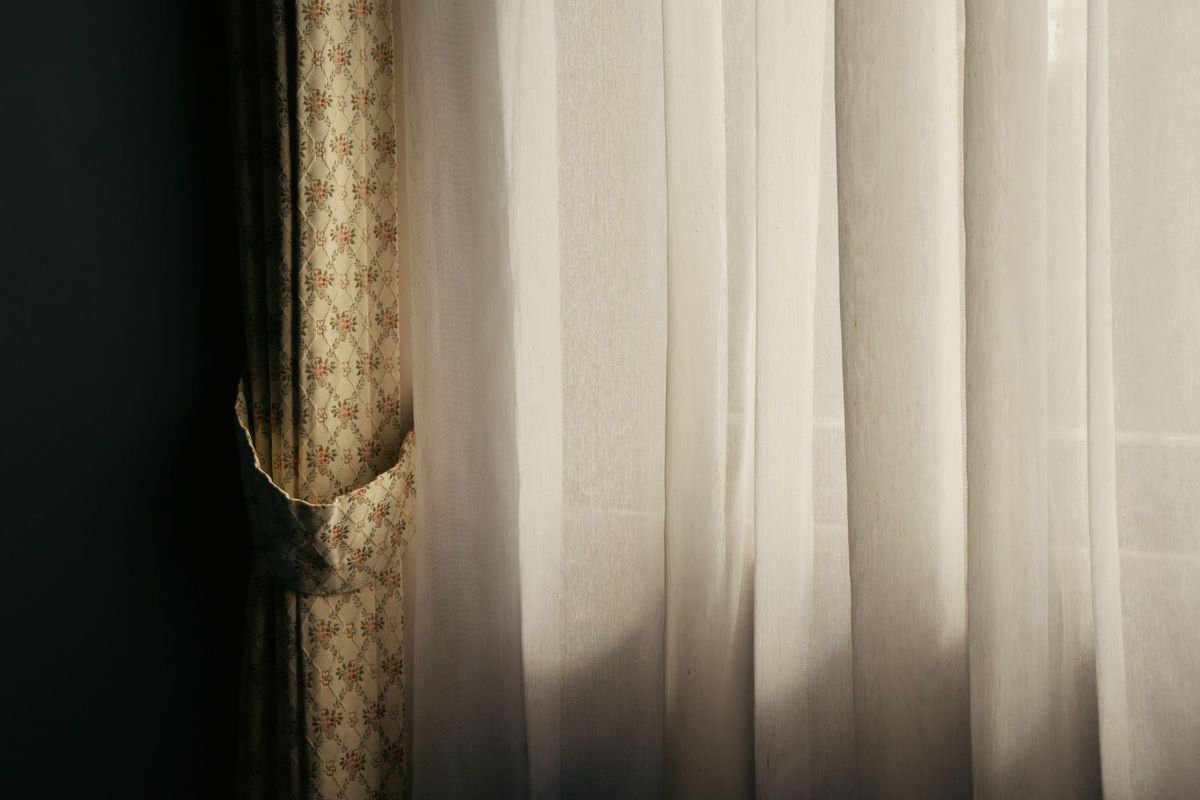
For windows, work with what's there. New curtains on an existing track or pole are inexpensive and instantly soften a room, and a tension rod in a recess needs no drilling at all. Curtains slightly wider than the window, and long enough to just brush the floor, will always look better than short, skimpy ones.
Floors are rarely yours to change, so cover them. A large rug with an underlay over cheap carpet, or a washable runner in the hallway, solves most of it. Avoid laying anything impermeable over a floor that feels cold and clammy — mention that to your landlord rather than hiding it.
When you need written permission
Ask before you paint or wallpaper, drill into tiles or a tiled splashback, fit flooring, hang a TV bracket or shelving, change an electrical fitting, attach anything to the outside of the building, or bring home a pet.
When you ask, make it easy to say yes. Offer a neutral colour you'll return the wall to, promise a professional for anything that needs one, and give a date for reversing the work. If your landlord agrees, confirm it in a short email afterwards so there's a record of what was said.
A simple order of work
- Read the agreement and email your landlord about anything that needs permission.
- Sort the lighting and bulbs first — cheapest change, biggest difference.
- Add one large rug and one freestanding piece, such as a bookcase or console.
- Hang art on a ledge or rail where you can, adhesive strips where you can't.
- Photograph the flat as you found it, and again on the day you leave.
Keep a labelled box for everything you remove — handles, bulbs, the original curtain, spare paint — and refit it all before your check-out. Fill any holes, clean properly, and hand back a flat that looks better than the one you moved into. Almost everything you bought comes with you, and the deposit goes back where it belongs.
Photo: Max Vakhtbovych / Pexels
You Might Also Like
Carpet, laminate, vinyl and engineered wood compared on durability, cost and maintenance — with practical advice on which flooring works best in each room of a busy family home.
A practical beginner's guide to transforming second-hand furniture: how to choose a solid piece, prep it properly, paint in thin coats, and seal it for a durable finish.